 FLYBEAR
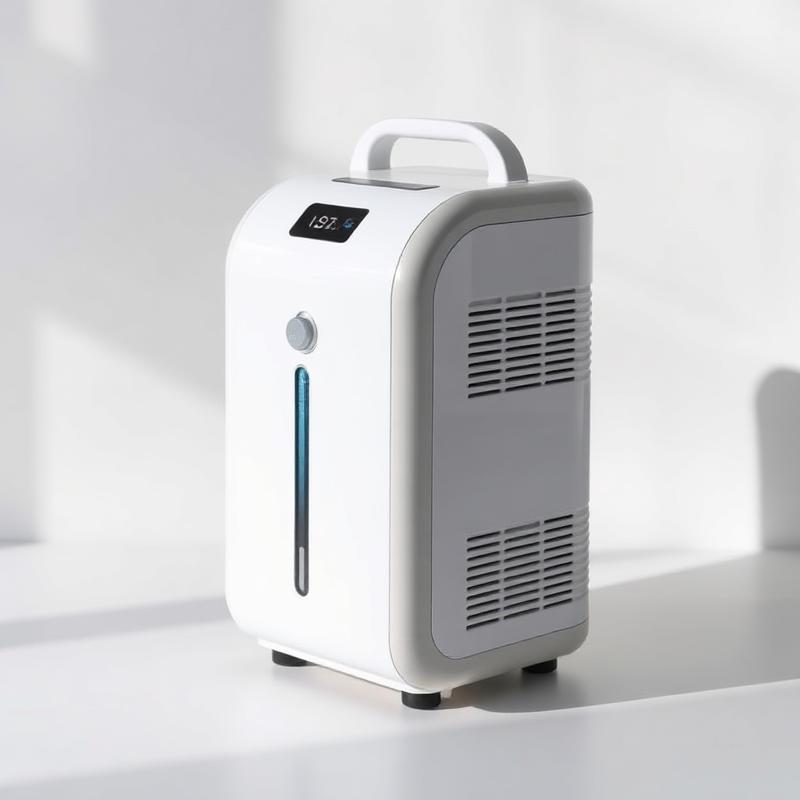
A portable oxygen concentrator (POC) gives oxygen-dependent patients something a stationary machine cannot: freedom to leave the house, travel and stay active — all while staying on therapy. But not every POC suits every prescription, so it pays to understand the options.
Pulse dose vs continuous flow
This is the single most important distinction.
- Pulse dose senses when you inhale and releases a measured burst of oxygen. It conserves battery and keeps units light and compact, but it is only suitable if your doctor confirms pulse delivery meets your needs.
- Continuous flow delivers a constant stream, like a home concentrator. It is essential for some patients and for anyone using oxygen with a CPAP or BiPAP overnight.
What to look for
- Oxygen output: Match the flow settings or pulse settings to your prescription.
- Battery life: Check runtime per charge and whether extra batteries are available for longer outings.
- Weight: Many pulse-dose units weigh under 2.5 kg — a real advantage for daily errands.
- Noise: Quieter units are more comfortable in public and while sleeping.
- Travel approval: If you fly, confirm the model's air-travel certification.
Caring for your concentrator
- Clean or replace the intake filters on schedule.
- Charge batteries fully and avoid deep discharge.
- Keep vents unobstructed so the unit does not overheat.
The best POC is the one that matches your prescription and your lifestyle. A frequent traveller and a mostly-home patient will make very different choices.
Flybear stocks both pulse and continuous-flow concentrators and helps you pick the right model, with pan-India delivery and support.