 FLYBEAR
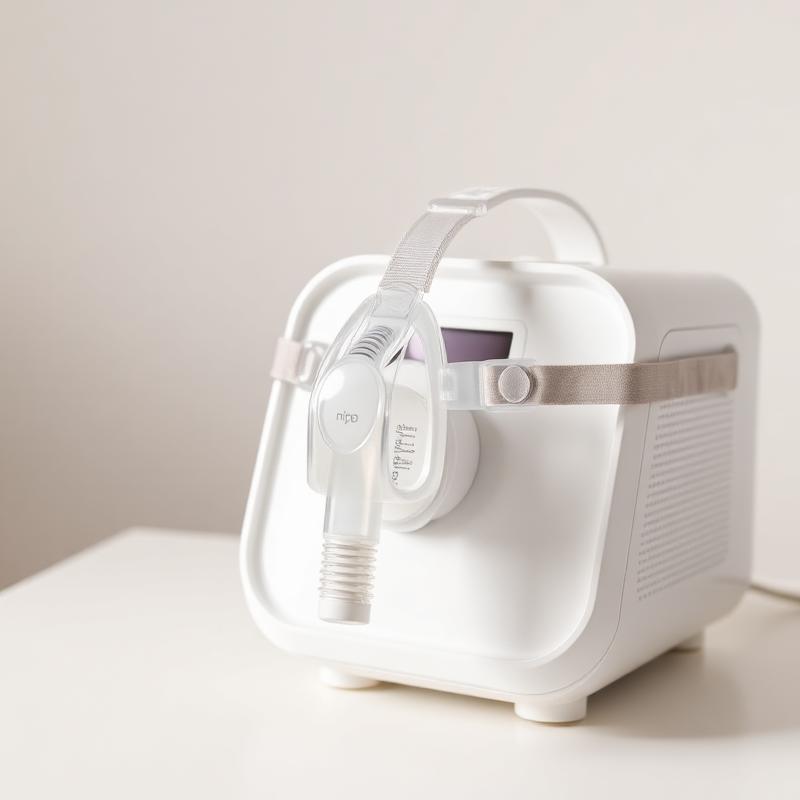
A CPAP (Continuous Positive Airway Pressure) machine is the frontline treatment for obstructive sleep apnea. It gently pushes a steady stream of air through a mask to keep your airway open while you sleep — stopping the pauses in breathing that leave you exhausted every morning.
Start with your sleep study
Before buying anything, you need a sleep study (polysomnography) and a prescription. This tells you the pressure your airway needs and whether a fixed-pressure CPAP or an auto-adjusting APAP suits you best.
Key features to compare
- Auto-adjusting pressure (APAP): Adapts breath by breath, which many patients find more comfortable than a single fixed pressure.
- Integrated humidifier: Warms and moistens the air to prevent a dry throat and nose — essential in dry or air-conditioned rooms.
- Noise level: Modern machines run around 26-30 dB, quiet enough not to disturb a partner.
- Data tracking: Look for built-in reporting so you and your doctor can monitor how well therapy is working.
- Travel size and battery: Frequent travellers benefit from a compact model with a battery option.
Getting the mask right
The machine matters, but the mask makes or breaks therapy. There are three main styles:
- Nasal masks cover the nose — a popular all-round choice.
- Nasal pillow masks sit at the nostrils, ideal for lighter pressures and people who feel claustrophobic.
- Full-face masks cover nose and mouth, best for mouth-breathers or higher pressures.
A machine you find comfortable is a machine you will use. Prioritise mask fit and humidification over headline specs.
Flybear offers at-home mask fitting and demos so you can start therapy confidently, with full warranty and support.