 FLYBEAR
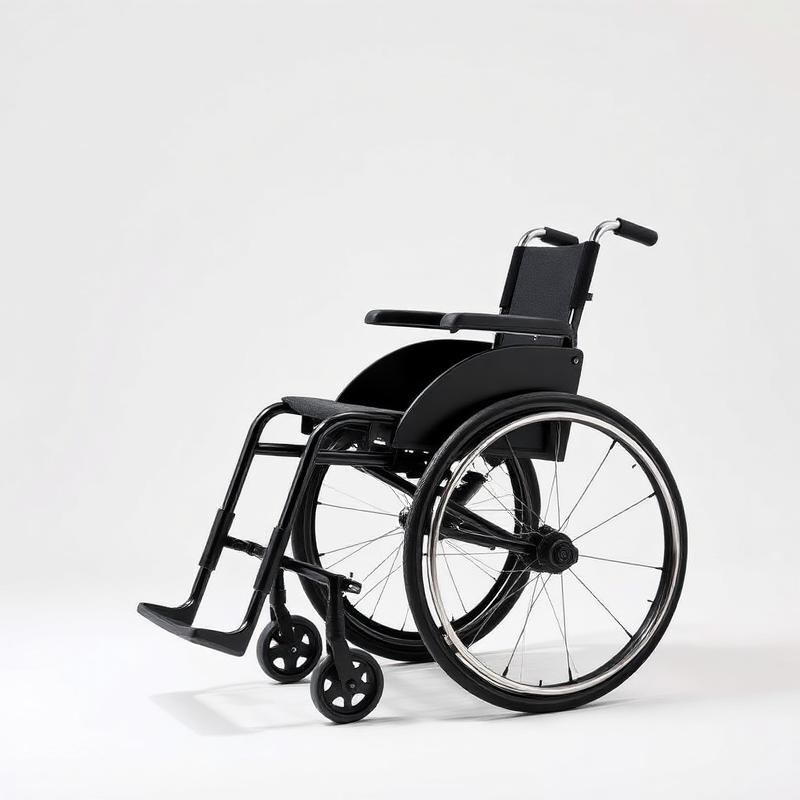
A wheelchair should fit the person, not the other way around. The right choice restores independence and comfort; the wrong one causes fatigue, poor posture and pressure sores. Here is what to weigh up.
Manual or electric?
- Manual wheelchairs are lighter, cheaper and easy to transport. They suit users with enough upper-body strength, or those with a caregiver to assist.
- Electric (powered) wheelchairs offer independence over longer distances and on inclines, ideal when strength or stamina is limited — at the cost of weight and price.
Get the sizing right
A correct fit prevents pressure injuries and supports good posture:
- Seat width: Roughly 2-3 cm wider than the hips for comfort without sliding.
- Seat depth: Should support the thighs while leaving a small gap behind the knees.
- Backrest height: Depends on how much trunk support the user needs.
Match it to the terrain
Smooth indoor floors, rough outdoor paths and frequent car transport all point to different designs. Larger wheels and sturdier frames handle uneven ground; lightweight folding frames are easier to lift into a car boot.
Do not forget the extras
Cushions, elevating leg rests, anti-tip wheels and adjustable armrests can make a big difference to daily comfort.
When in doubt, get a proper assessment. A few minutes measuring and trialling saves months of discomfort.
Flybear's team helps you assess needs, size correctly and trial options before you buy.