 FLYBEAR
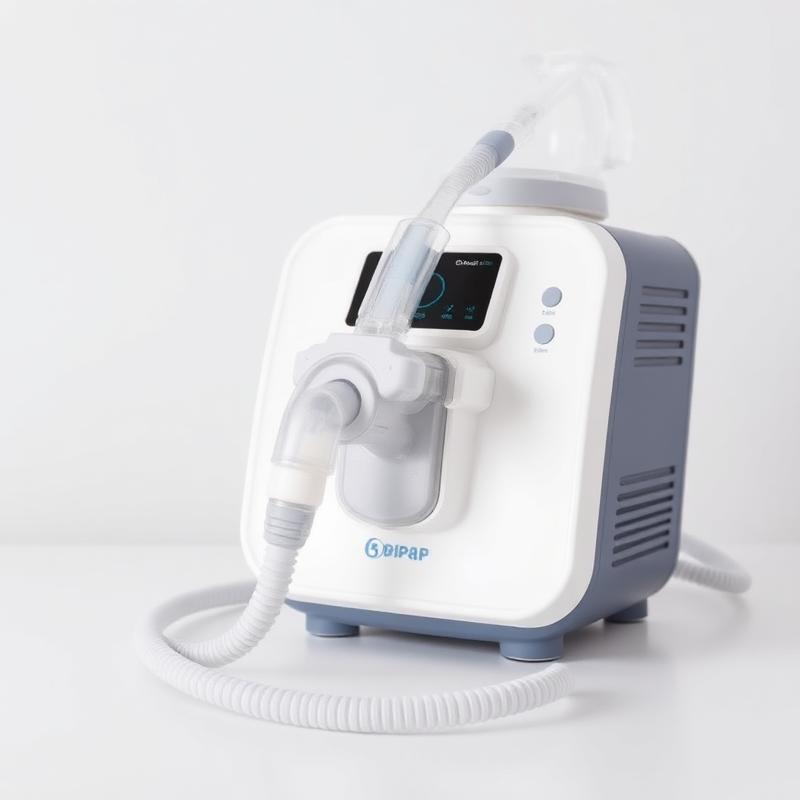
CPAP and BiPAP machines both deliver pressurised air to support your breathing, but they are not interchangeable. Choosing correctly depends on your diagnosis — and only your doctor can make that call. Here is what sets them apart.
How CPAP works
A CPAP delivers a single, continuous pressure throughout the night. That constant pressure is enough to splint open the airway of most people with obstructive sleep apnea. It is simple, reliable and well suited to straightforward cases.
How BiPAP works
A BiPAP (Bilevel Positive Airway Pressure) uses two pressures:
- A higher pressure when you breathe in (IPAP)
- A lower pressure when you breathe out (EPAP)
That two-level design makes exhaling against the airflow much easier, and it actively assists ventilation — not just airway support.
When BiPAP is preferred
Your doctor may recommend BiPAP instead of CPAP if you:
- Need high pressures that feel uncomfortable on a fixed-pressure CPAP
- Have COPD, obesity hypoventilation or a neuromuscular condition
- Struggle to exhale against continuous pressure
- Have central (not just obstructive) sleep apnea
Quick comparison
| Feature | CPAP | BiPAP | |---|---|---| | Pressure levels | One | Two (inhale / exhale) | | Best for | Obstructive sleep apnea | Complex or high-pressure needs | | Exhalation comfort | Moderate | Higher | | Typical cost | Lower | Higher |
The right machine is the one your prescription calls for. BiPAP is more capable, but CPAP is the better and simpler fit for most sleep apnea patients.
Talk to the Flybear team for guidance on setup, mask fitting and ongoing support for either machine.